
Celebrating the First Graduates of TxEEE’s Semiconductor Graduate Certificate
This fall, we’re proud to celebrate a milestone: our first cohort of Semiconductor Certificate graduates. These students completed three graduate-level courses through UT Austin, and we couldn’t be prouder of what they’ve achieved. Congratulations to them all!
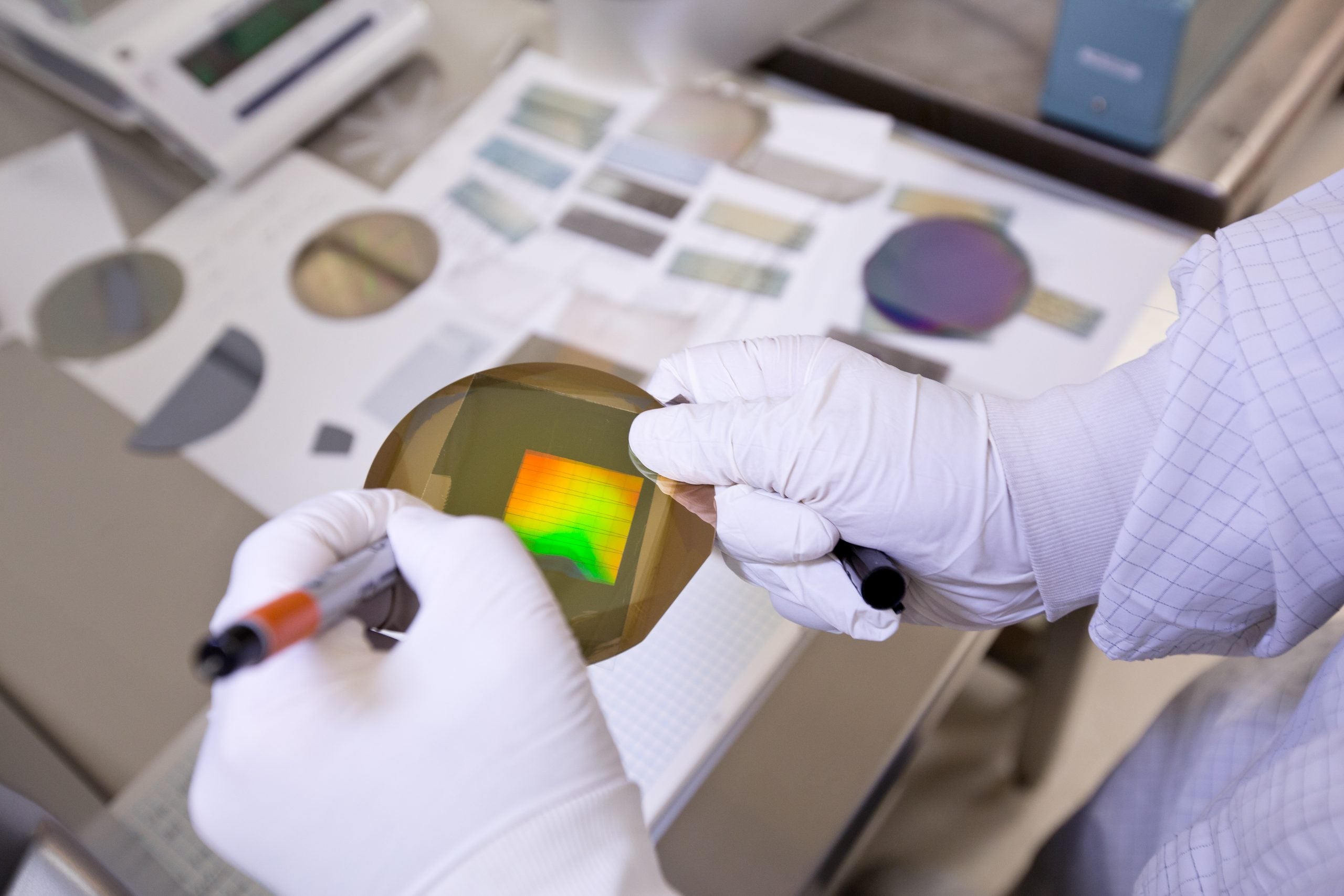
Our graduates are finishing the program at a moment when Texas needs exactly what they’ve learned. The semiconductor industry is growing fast, and Texas is one of its powerhouses. U.S. semiconductor companies are expected to add approximately 31,000 new master’s-level jobs by 2030, according to a July 2023 report from the Semiconductor Industry Association and Oxford Economics. Nearly 40% of those jobs risk going unfilled due to a lack of qualified candidates.
What our graduates studied
Students in the Semiconductor Online Graduate Certificate at UT Austin build knowledge in semiconductor design, manufacturing, and device physics through three sequential courses:
- Introduction to Semiconductors (SSE 380): Covers foundational science and engineering concepts, including semiconductor device design, manufacturing techniques, measurement and metrology, and process control.
- Semiconductor Processes (SSE 381): Explores modern fabrication methods and cleanroom techniques used to manufacture semiconductor devices.
- Semiconductor Devices (SSE 382): Examines the physics and structural principles behind modern microchips.
Why a certificate in this field matters
A semiconductor certificate is a strong option for STEM professionals looking to build new skills or move into a different industry. Our program can be completed in months rather than years, giving students the chance to develop specialized knowledge without committing to another full degree.
Why the industry needs more semiconductor talent right now
As the semiconductor industry grows, so does the need for skilled workers. Deloitte estimates that more than 1 million additional skilled workers will be needed globally by 2030 to meet demand. New technologies like AI and advanced manufacturing continue to develop, the industry needs professionals with skills across engineering, manufacturing, data, and other technical areas.
Our first graduates are now part of the answer to that need.
Want to be part of the next cohort?
Ready to build specialized skills in one of the technologies that shape the future of electronics? The Semiconductor Certificate at UT Austin can help you take the next step.